
2017
The Shandong was launched for the People's Liberation Army Navy, China's first domestically built aircraft carrier.
SourceA Saturday in history
Weekday
Saturday
Season
Spring (N. Hemisphere)
Century
20th century
Records
341
The Shandong was launched for the People's Liberation Army Navy, China's first domestically built aircraft carrier.
SourceControversy surrounding the relocation of the Bronze Soldier of Tallinn, a Soviet Red Army World War II memorial in Tallinn, Estonia, erupted into mass protests and riots.
Source
An expelled student murdered sixteen people and wounded seven others before committing suicide at the Gutenberg-Gymnasium Erfurt in Erfurt, Germany.
Source
The CIH virus activated widely, damaging hundreds of thousands of computers and causing hundreds of millions of dollars in losses.
Source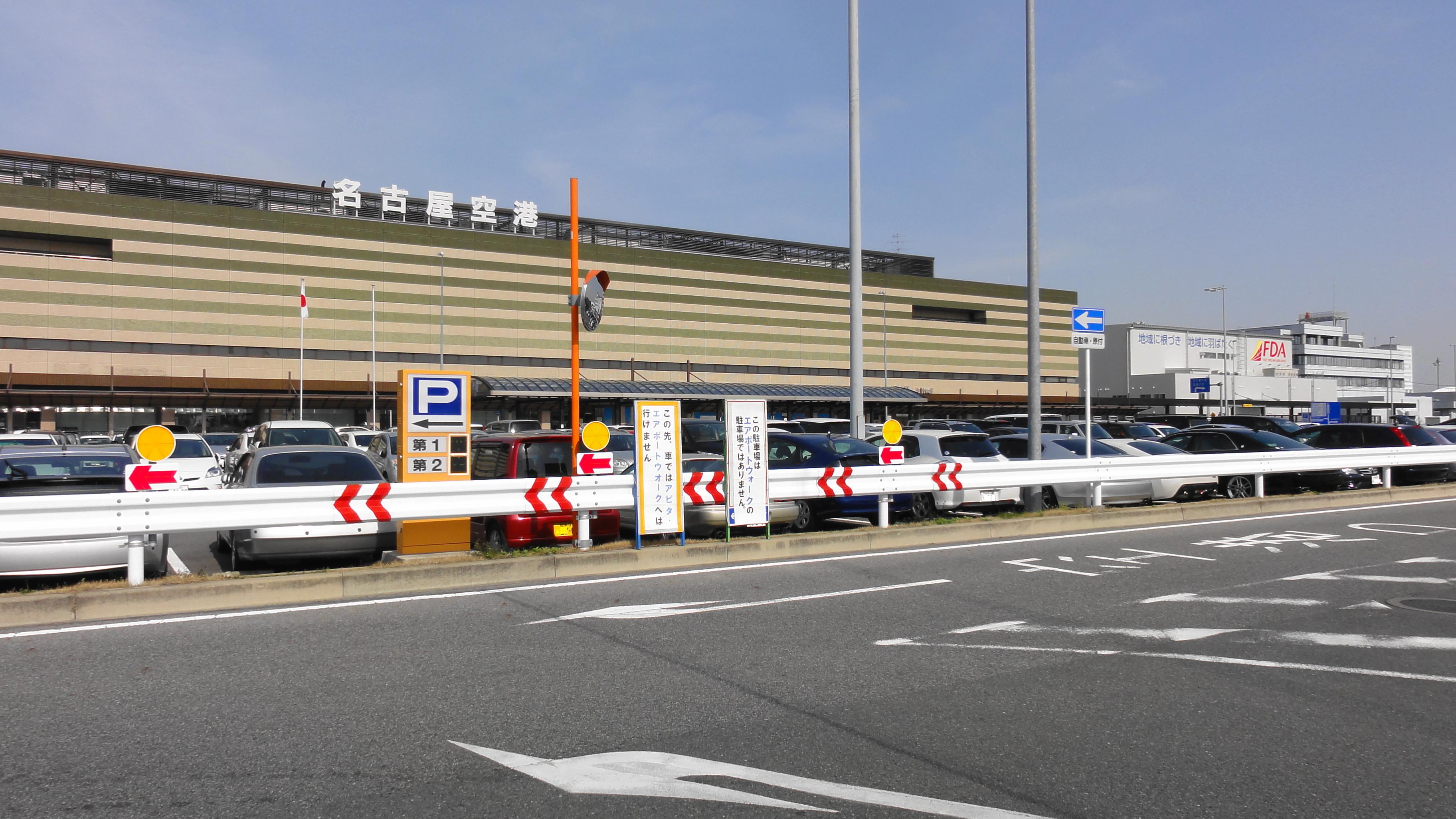
Just before landing at Nagoya Airport, Japan, the copilot of China Airlines Flight 140 inadvertently triggered the takeoff/go-around switch, causing the aircraft to crash and killing 264 of the 271 people on board.
SourceAn editorial was published in the People's Daily denouncing the growing unrest in Tiananmen Square in Beijing which would remain contentious through the remainder of the protests.
Source
A tornado struck the Manikganj District of Bangladesh and killed an estimated 1,300 people, making it the deadliest tornado in history.
Source
The Chernobyl Nuclear Power Plant (pictured) near Chernobyl, Ukrainian SSR, suffered a steam explosion, resulting in a fire, a nuclear meltdown, and the evacuation and resettlement of over 336,000 people around Europe.
Source
The World Intellectual Property Organization (WIPO) came into being when the WIPO Convention entered into force.
Source
Tanganyika and Zanzibar merged to form Tanzania with Julius Nyerere as its first president.
Source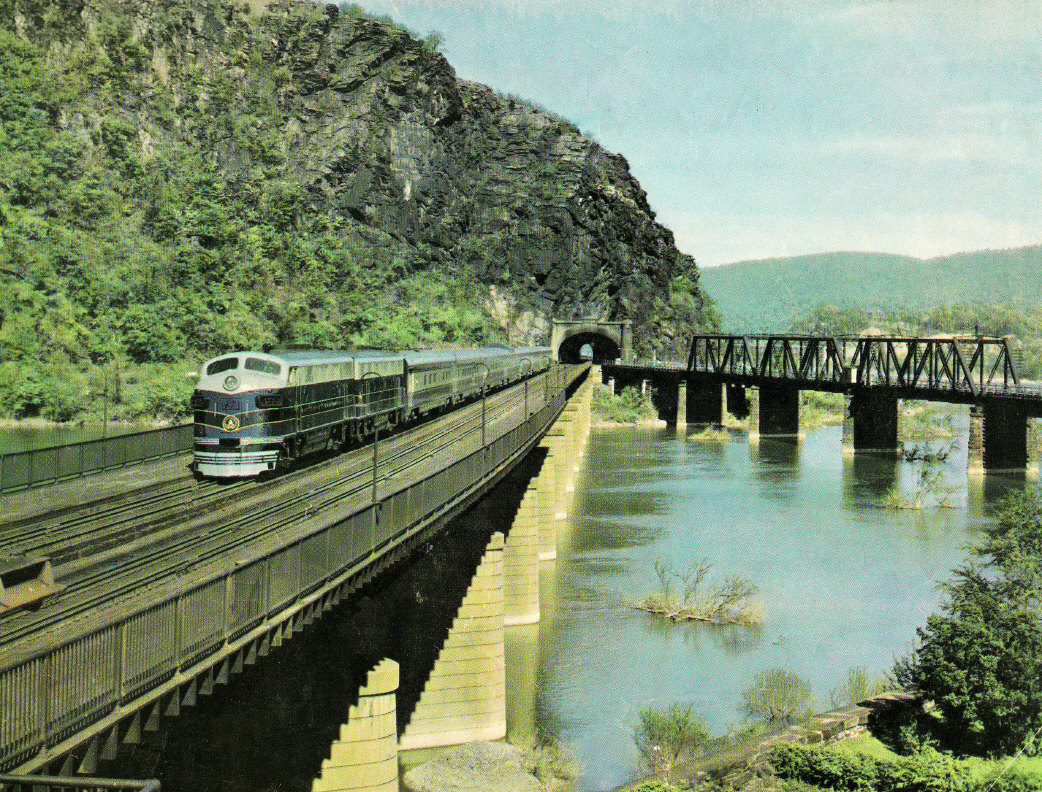
Service ended on the Baltimore and Ohio Railroad's Royal Blue Line, one of the first major electrified train lines in the U.S. (steam train pictured).
Source
World War II: U.S. Navy submarines began attacks on Japan's Take Ichi convoy as it sailed in waters between Taiwan and the Philippines, eventually sinking four vessels and killing more than 4,000 troops.
Source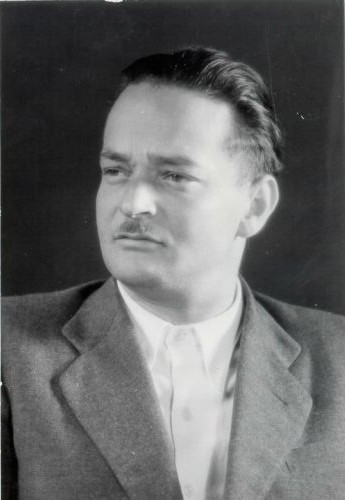
Boris Kidrič and Edvard Kardelj founded the Liberation Front of the Slovene Nation, the main anti-fascist Slovene civil-resistance and political organization during World War II.
Source
Spanish Civil War: The Bombing of Guernica by the Condor Legion of the Luftwaffe resulted in a devastating firestorm that caused widespread destruction and civilian deaths and inspired one of Pablo Picasso's most famous paintings.
Source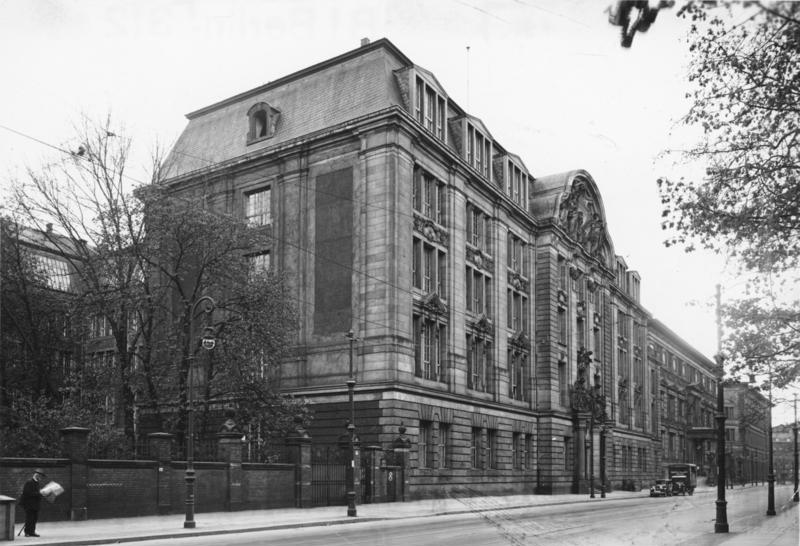
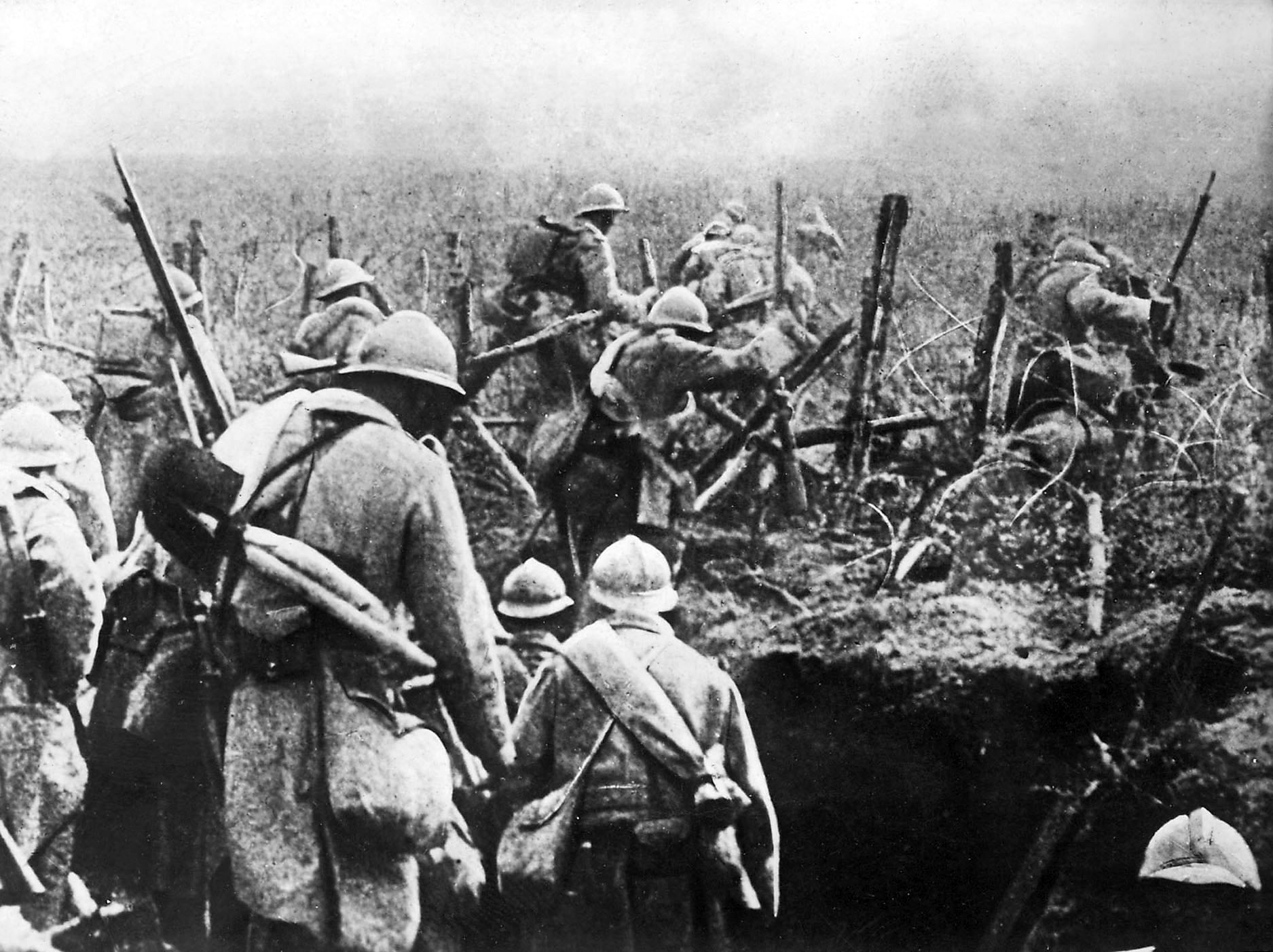
First World War: Britain, France and Russia signed a secret treaty promising territory to Italy if it joined the war on their side.
Source
U.S. Army soldiers cornered and fatally shot John Wilkes Booth, the assassin of U.S. president Abraham Lincoln, ending a twelve-day manhunt.
Source
Thousands of meteor fragments fell over L'Aigle, France, becoming a milestone in the understanding of meteorites.
Source
American Revolutionary War: Sixteen-year-old Sybil Ludington allegedly rode forty miles (64 km) through the night to warn militiamen under her father Henry's command that British troops were planning to invade Danbury, Connecticut.
Source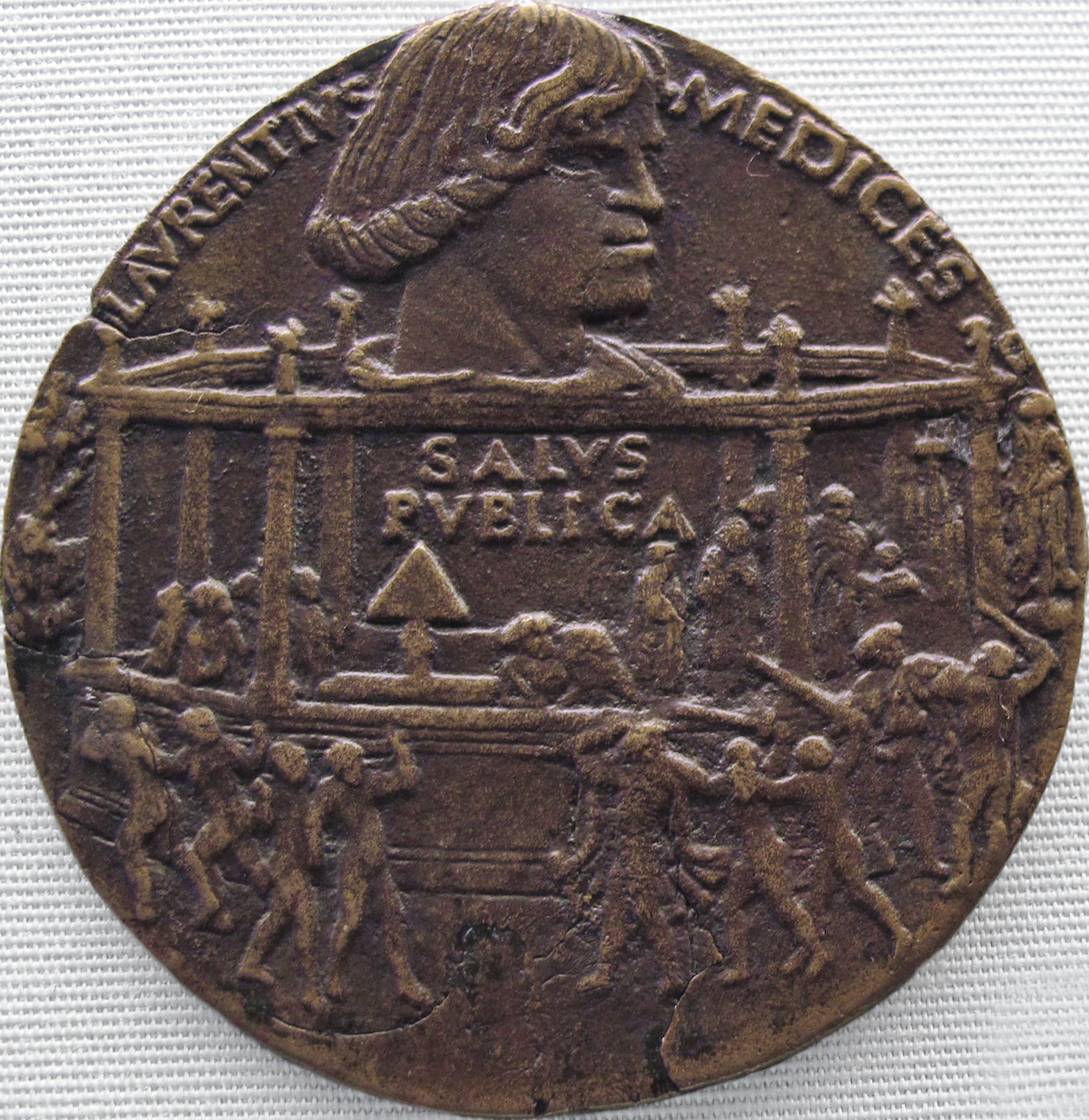
In a conspiracy to replace the Medici family as rulers of the Republic of Florence, the Pazzi family attacked Lorenzo de' Medici (pictured) and killed his brother Giuliano at Florence Cathedral.
Source24 historic images from this day — tap to open the gallery.
Prices, jobs, food, music and everyday routine — the world as it felt to live in.
Every claim is traced to primary sources, archives, universities and the press — with an explicit confidence rating. Dossiers are generated once and cached permanently.